Inch Loss vs Weight Loss — Understanding the Key Differences
Looking Beyond the Number on the Scale

When your clothes start to feel looser but the number on the scale barely moves, it can feel confusing. The truth is, your body might be changing in ways the scale can’t show. Inch loss and weight loss often tell different stories — and understanding both can help you focus on the progress that truly matters.
This guide explains the difference between inch loss and weight loss, how to measure your results accurately, and how Metabola supports healthy, sustainable body transformation.
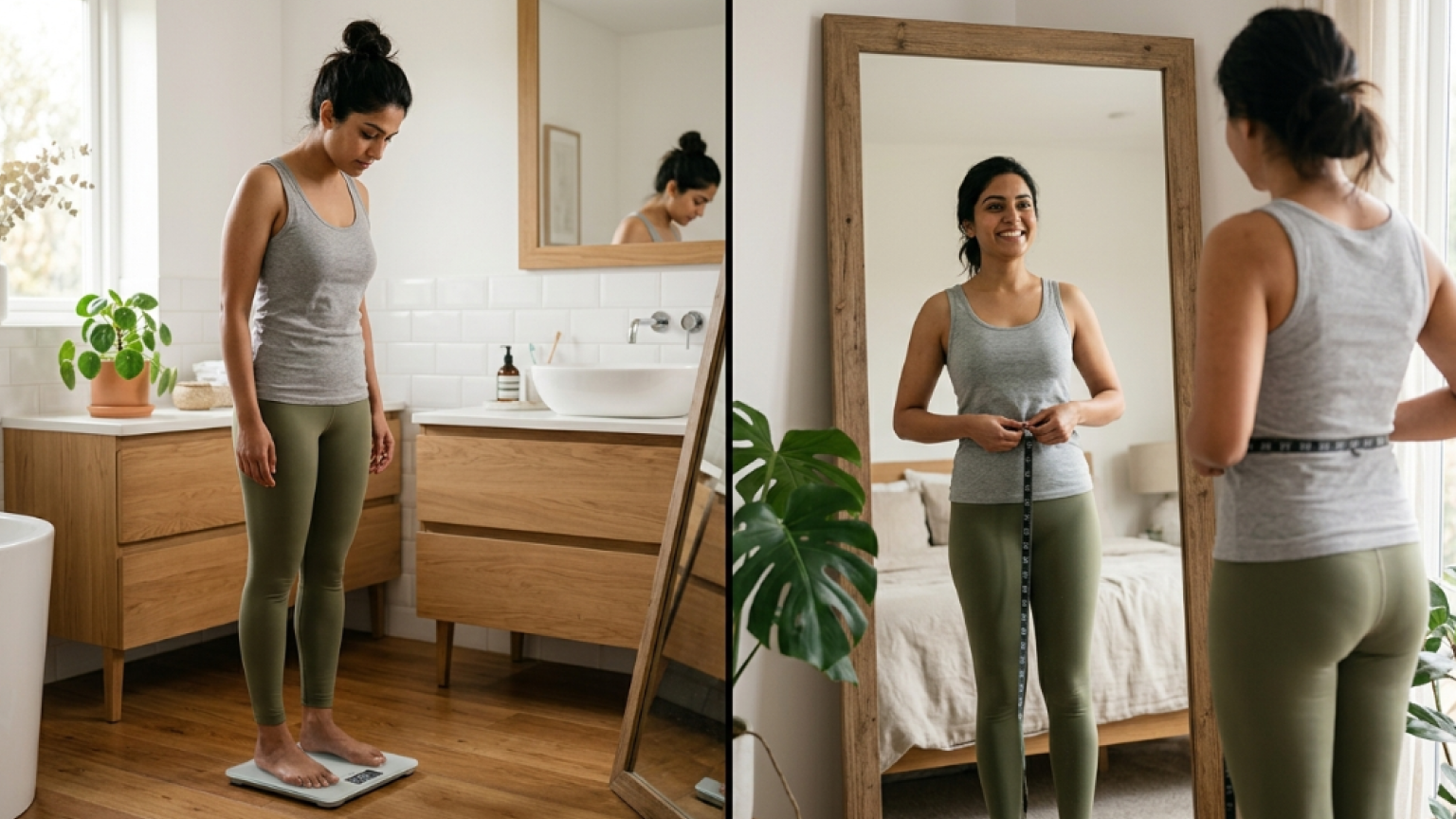
Weight loss measures how much total body mass you’ve lost — fat, muscle, water, and other tissues. It’s what you see when you step on the scale.
Inch loss refers to a reduction in your body’s circumference — the size or girth around specific areas like your waist, hips, thighs, or arms. It shows how your body composition is shifting — particularly your ratio of fat to muscle.
You might lose inches without losing much weight if your body is burning fat while gaining lean muscle. This process, known as body recomposition, creates a more toned, sculpted appearance even when your weight stays the same.
When you make lifestyle or treatment changes, several things happen in your body:
Because muscle is denser than fat, you may appear smaller even when the scale doesn’t drop. Inch loss often reflects genuine improvement in body composition and shape.

This is one of the most common body transformation scenarios — and it’s a good one.
Remember — your body’s goal is health and balance, not just a smaller number on the scale.
Both weight and inches provide valuable information, but inch loss can be a stronger indicator of improved health.
A shrinking waistline often signals a reduction in visceral fat — the deeper abdominal fat linked to heart disease, insulin resistance, and inflammation. Even small changes in your measurements can reflect meaningful improvements in metabolic health.
Chasing rapid weight loss through restrictive diets can lead to muscle loss and slower metabolism. Instead, aim to preserve lean mass while reducing fat — the healthiest and most sustainable form of transformation.
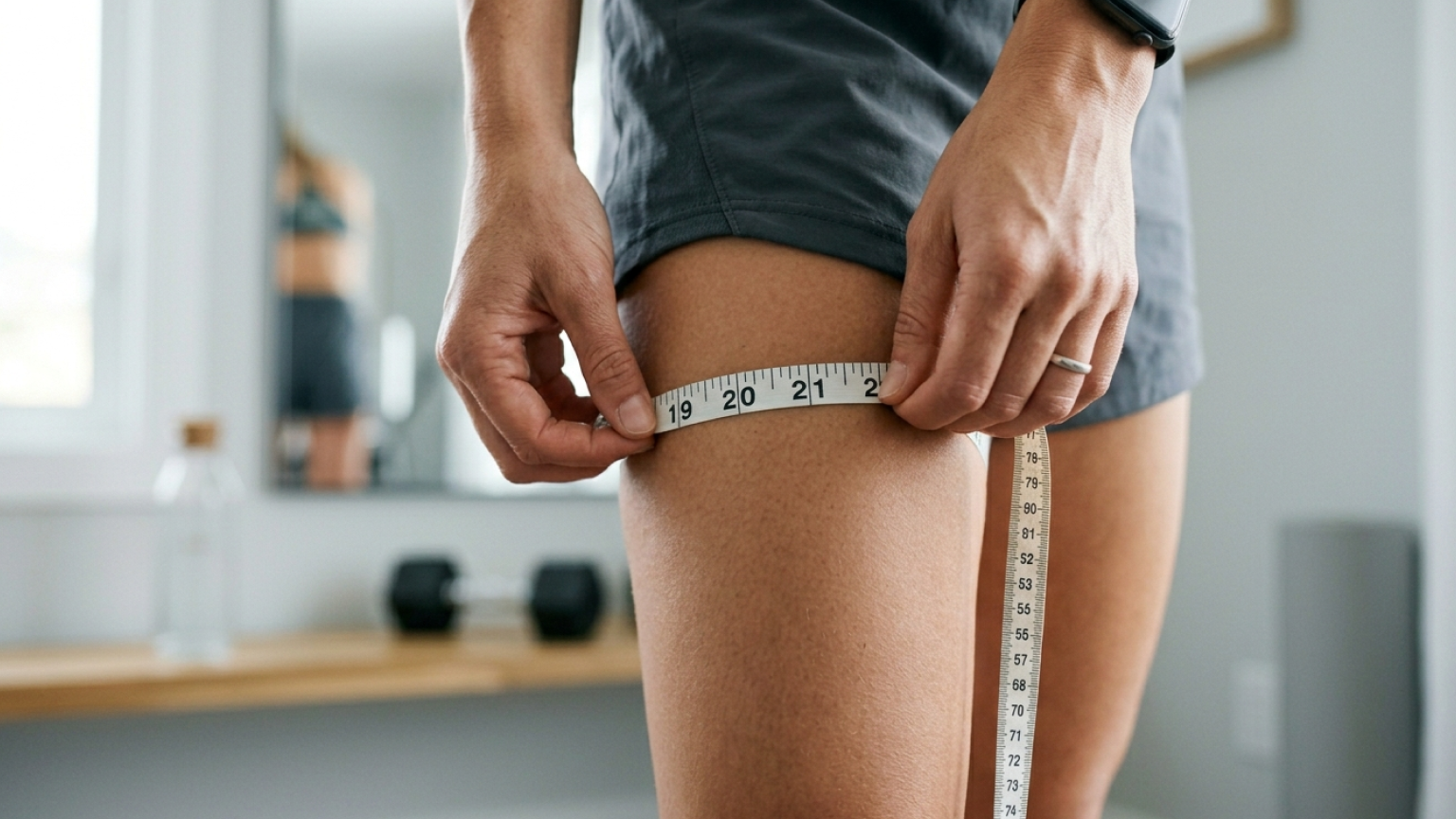
Tracking your inch loss correctly helps you see the progress the scale misses. Follow these simple steps:
Small, consistent inch reductions over time are a strong sign that your plan — whether nutritional, exercise-based, or treatment-focused — is working.
At Metabola, we understand that true transformation means more than losing pounds. It’s about improving your body composition, energy, and confidence in a safe, medically guided way.
Our approach combines non-surgical, FDA-approved inch-loss treatments with personalized nutrition and wellness strategies to create balanced, lasting results.
We focus on:
With the right balance of science and support, you can reshape your body and renew your confidence — without surgery or crash diets.
Inch loss and weight loss each have their place, but together they provide the clearest picture of progress. By focusing on body composition rather than just the number on the scale, you’ll build strength, preserve health, and feel more confident in your body’s evolution.
At Metabola, our mission is to help you achieve visible results that align with your wellbeing — not just your weight.

Ready to understand your body’s progress more clearly? Connect with our expert clinicians at Metabola to explore safe, science-backed ways to enhance inch loss, boost metabolism, and achieve the balance your body deserves.
✨ Book your personalized consultation today — and take the next step toward feeling stronger, lighter, and more confident in your own skin.
Why am I losing inches but not weight?
Because you may be losing fat while gaining or maintaining muscle — which takes up less space but still weighs something.
Which is better: inch loss or weight loss?
Inch loss often indicates fat reduction and better health, while weight loss alone doesn’t distinguish between fat and muscle.
Can I lose inches without exercise?
Yes. Non-surgical treatments and healthy nutrition can lead to inch loss, though gentle movement helps maintain results.
How long does it take to see inch loss?
Results vary, but most people notice visible changes within 6–12 weeks of consistent effort and care.
Should I still weigh myself?
Yes, but combine it with other metrics — like measurements, photos, and how your clothes fit — for a complete picture.
Team Metabola shares practical guidance on non-surgical body contouring, weight management, and wellness so you can make informed treatment decisions with confidence.

Technology-Driven Solutions for Stubborn Fat
Team Metabola

The Science-Backed Way to Refine Your Body Safely
Team Metabola

The Safe, Science-Backed Way to Reshape Your Body Naturally
Team Metabola

Safe, Non-Invasive Solutions for Sustainable Fat Reduction
Team Metabola

The Science of Keeping Your Inch Loss Results Long-Term
Team Metabola

How Modern Treatments Target Fat Cells Safely and Effectively
Team Metabola